Summary:In the intricate ecosystem of modern architecture, what lies above the ceiling is just as important as the finished surface below. Behind the seamless......
In the intricate ecosystem of modern architecture, what lies above the ceiling is just as important as the finished surface below. Behind the seamless drywall and decorative finishes, a complex network of HVAC systems, electrical wiring, plumbing, and data cables forms the nervous system of any building. As we move through 2026, the demand for accessing these vital components—specifically through access doors and hatches—is undergoing a significant transformation driven by market data and evolving construction trends -1.
Recent market analysis indicates that the global ceiling access hatch market is on a steady growth trajectory, with projections estimating a rise from approximately $698 million in 2024 to $983 million by 2031, reflecting a compound annual growth rate (CAGR) of 4.9% -4. This growth is not merely quantitative; it is deeply qualitative. Today’s construction projects, from luxury residential complexes to large-scale hospitals and airports, demand more than just a hole in the wall. They require intelligent access solutions.
The Shift Towards Specialization
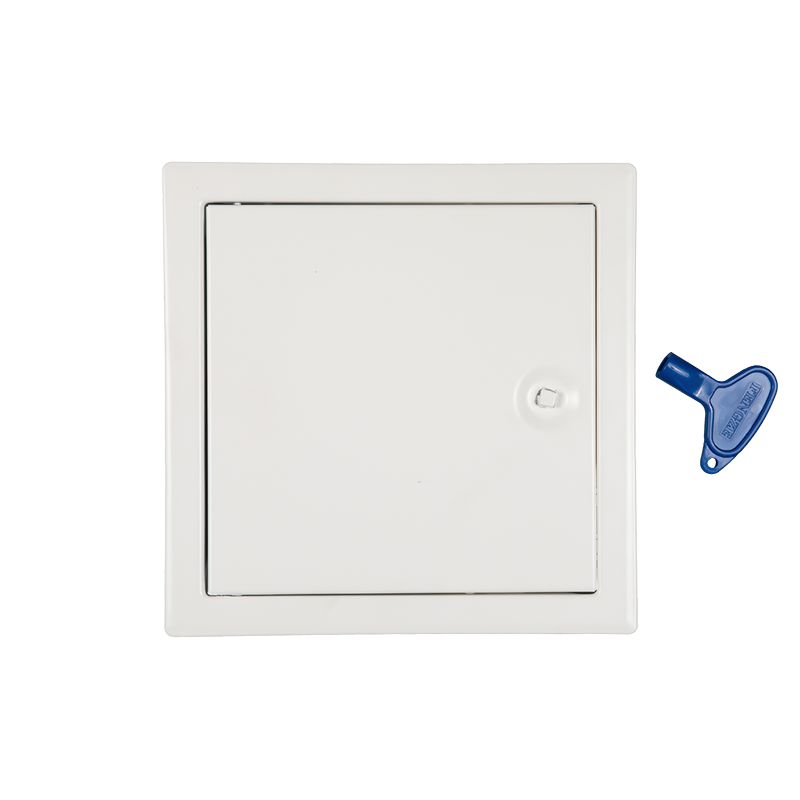
The days of the "one-size-fits-all" metal panel are fading. The industry is segmenting into highly specialized categories to meet rigorous safety and design standards:
-
Fire-Rated Solutions: With building safety codes becoming more stringent, particularly in commercial and high-rise residential sectors, fire-rated access doors have moved from a niche product to a standard requirement. These panels are critical for maintaining the integrity of fire barriers, ensuring that in the event of a fire, the spread of flames and smoke is contained -1.
-
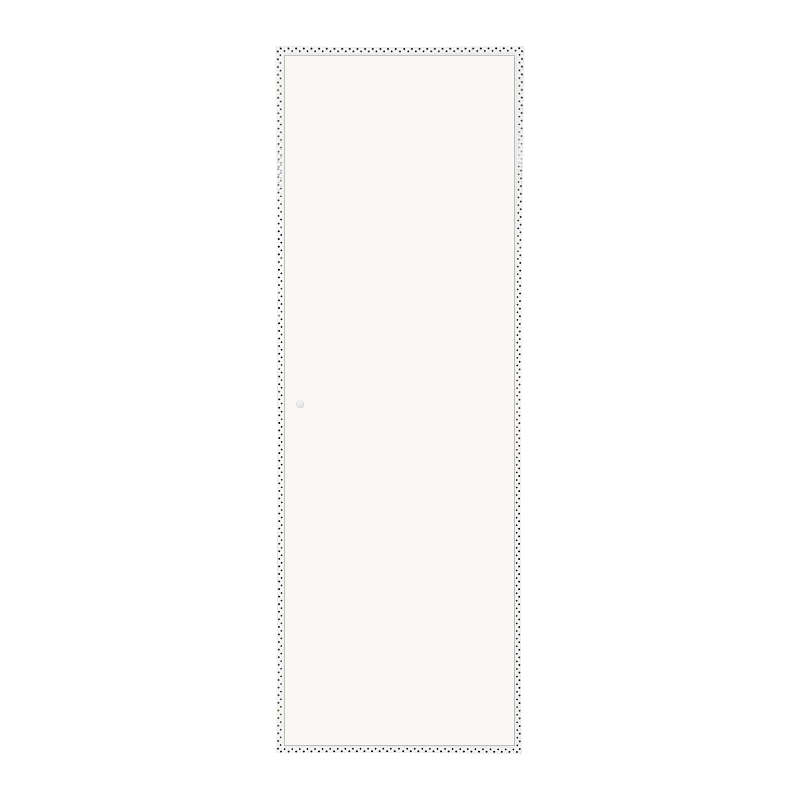
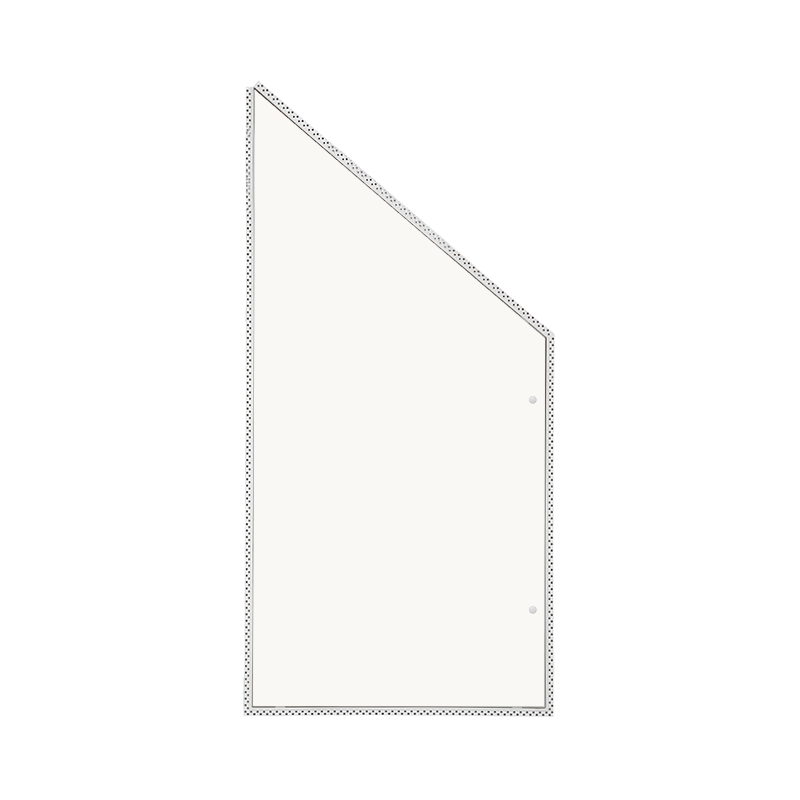
Aesthetic Integration (The Rise of the "Invisible" Hatch): In the realm of high-end interior design, functionality must not compromise beauty. This has fueled the demand for concealed and invisible access panels. These units can be finished with plaster, tile, or drywall compound, allowing them to blend flawlessly into the surrounding surface. They ensure that maintenance points do not disrupt the visual harmony of a designer lobby or a pristine bathroom -1-4.
-
Material Innovation: Durability and environmental resistance are key. While galvanized steel remains a workhorse for general applications, we are seeing a surge in demand for stainless steel and aluminum panels in moisture-prone or high-traffic industrial environments. For instance, in specialized settings like shipbuilding and marine applications, access doors must withstand corrosive conditions, utilizing materials like stainless steel for both the frame and supporting wheels to ensure longevity -2-5.
Drivers of Future Growth
Looking ahead to the "15th Five-Year Plan" period and beyond, the Chinese market will be propelled by several key factors. The increasing ratio of精装修 (finished apartments) is creating a stable demand for standardized, easy-to-install access solutions. Furthermore, the complexity of modern public utilities—especially in newly constructed hospitals with advanced medical gas systems and airports with sophisticated baggage handling systems—increases the density and technical requirements of access points -1.
At Xinchang Fengze Machinery Co.,Ltd , we are not just following these trends; we are setting the standard. Our mission is to provide access solutions that architects can specify with confidence and contractors can install with ease. By combining cutting-edge materials science with precision engineering, we deliver products that meet the hidden challenges of modern infrastructure, ensuring that when maintenance is required, access is simple, safe, and seamless.


 English
 简体中文
简体中文