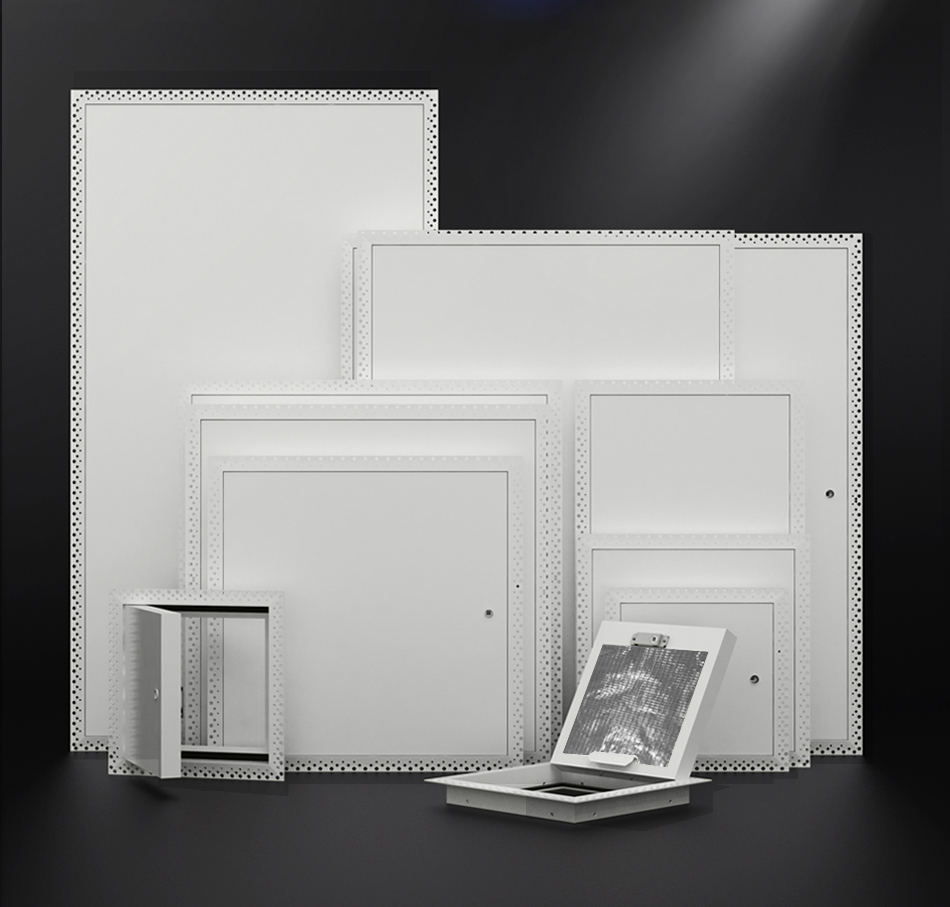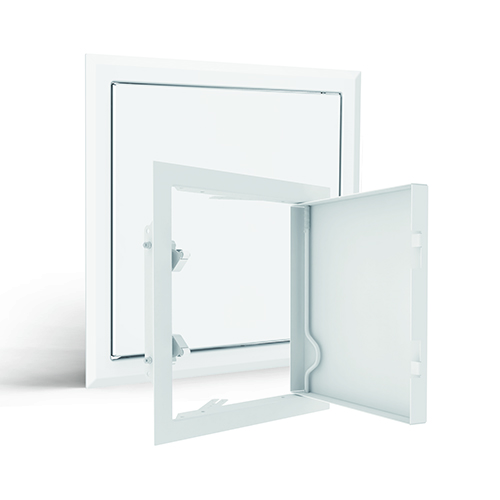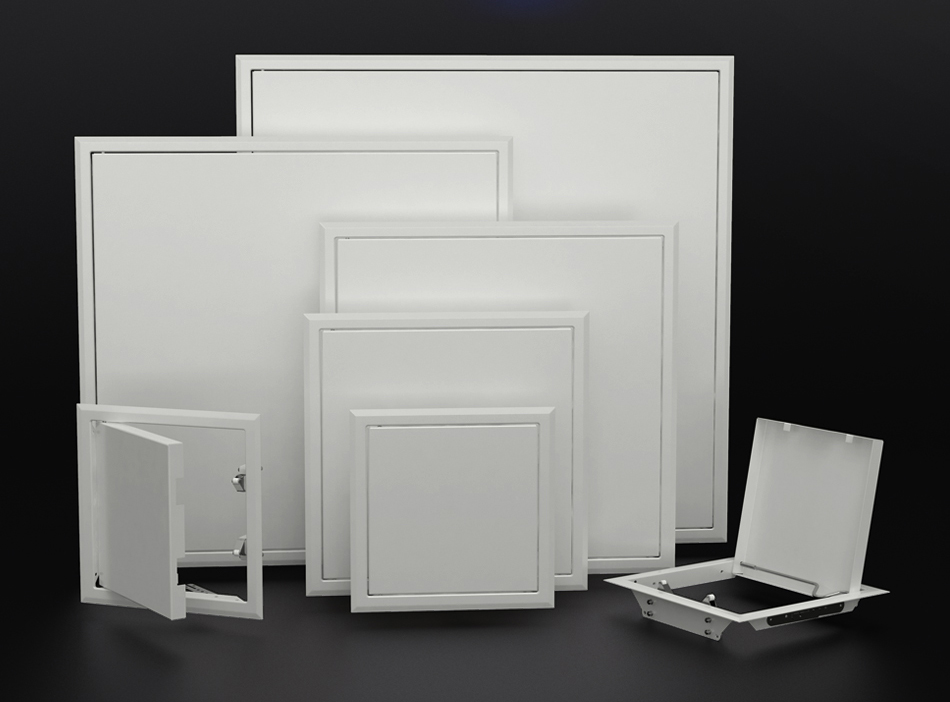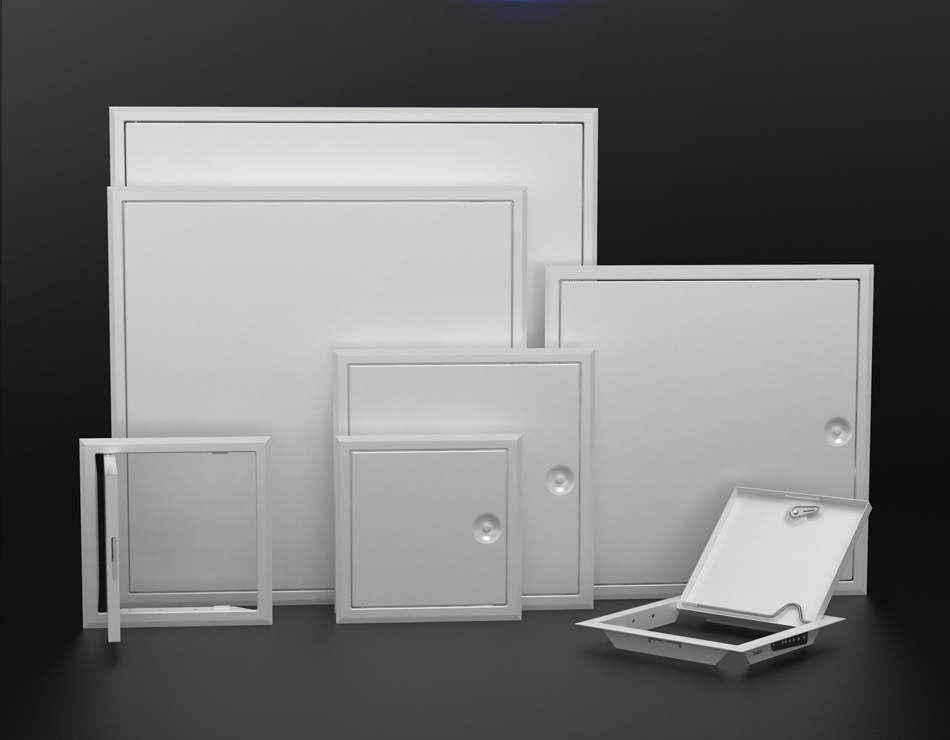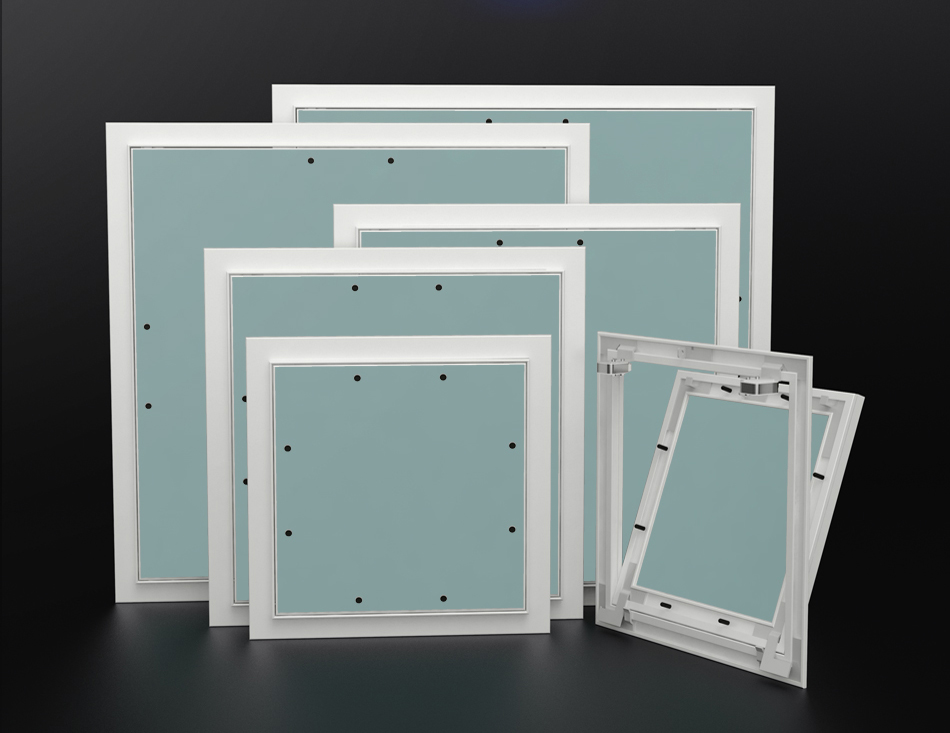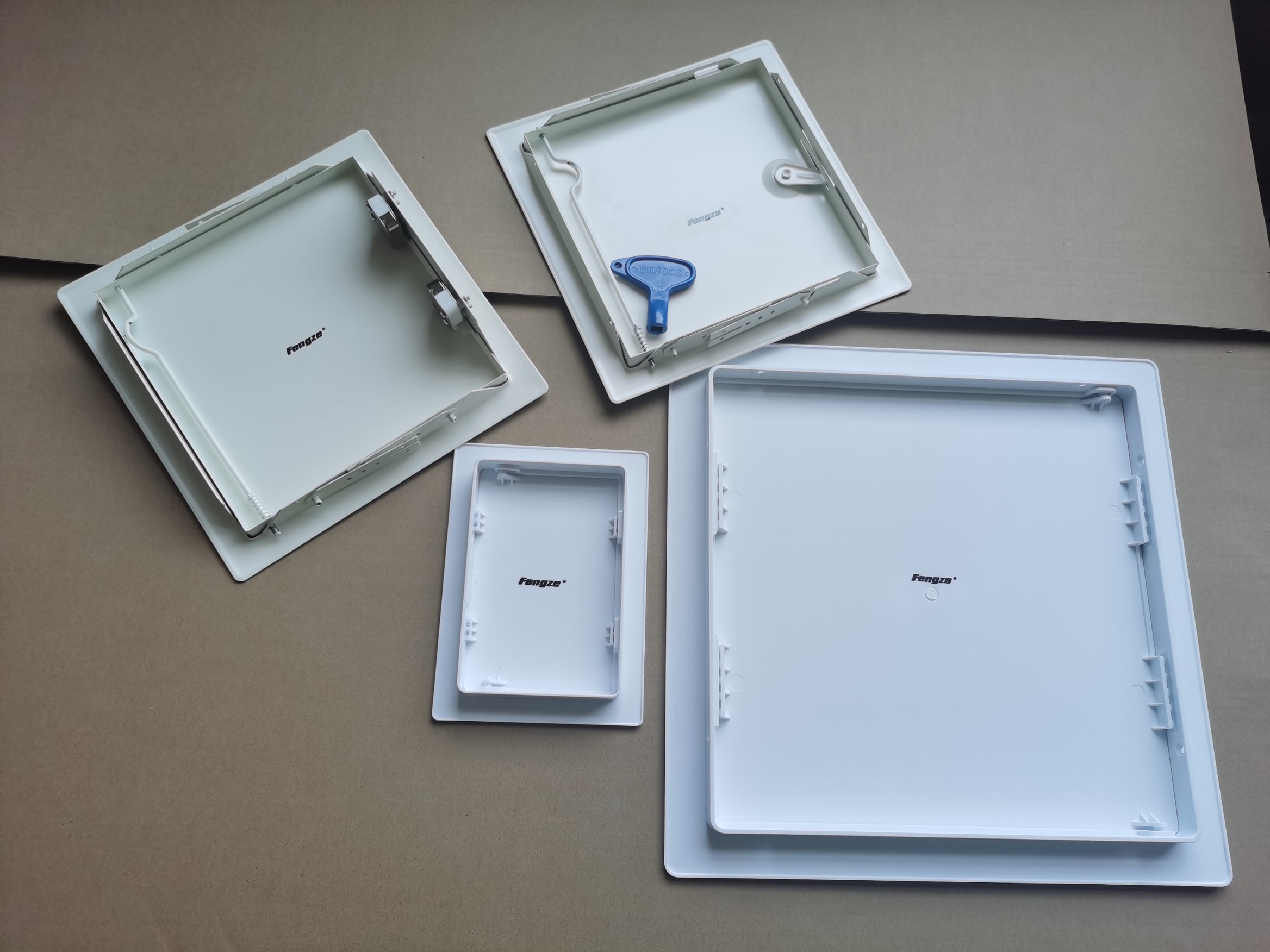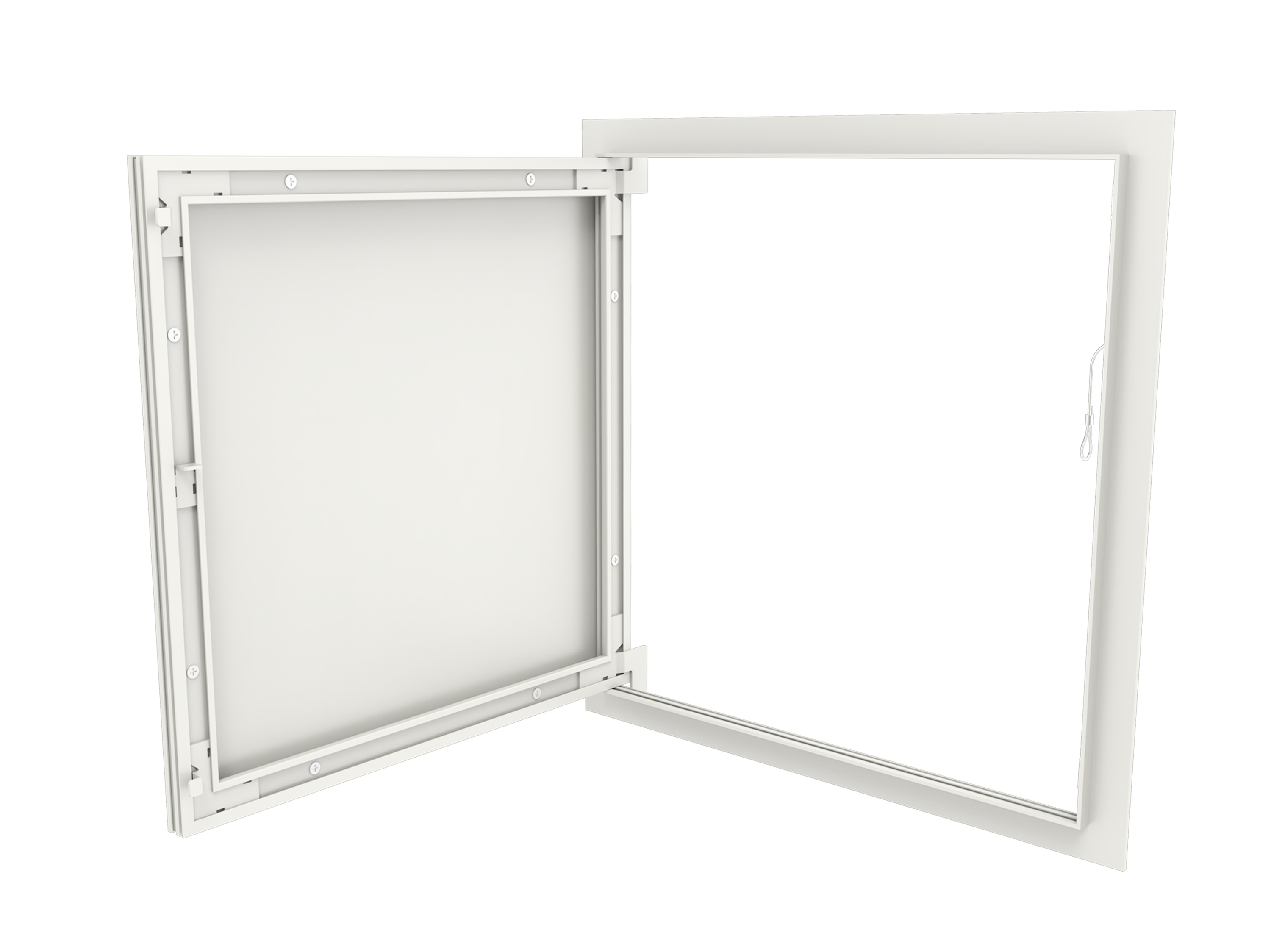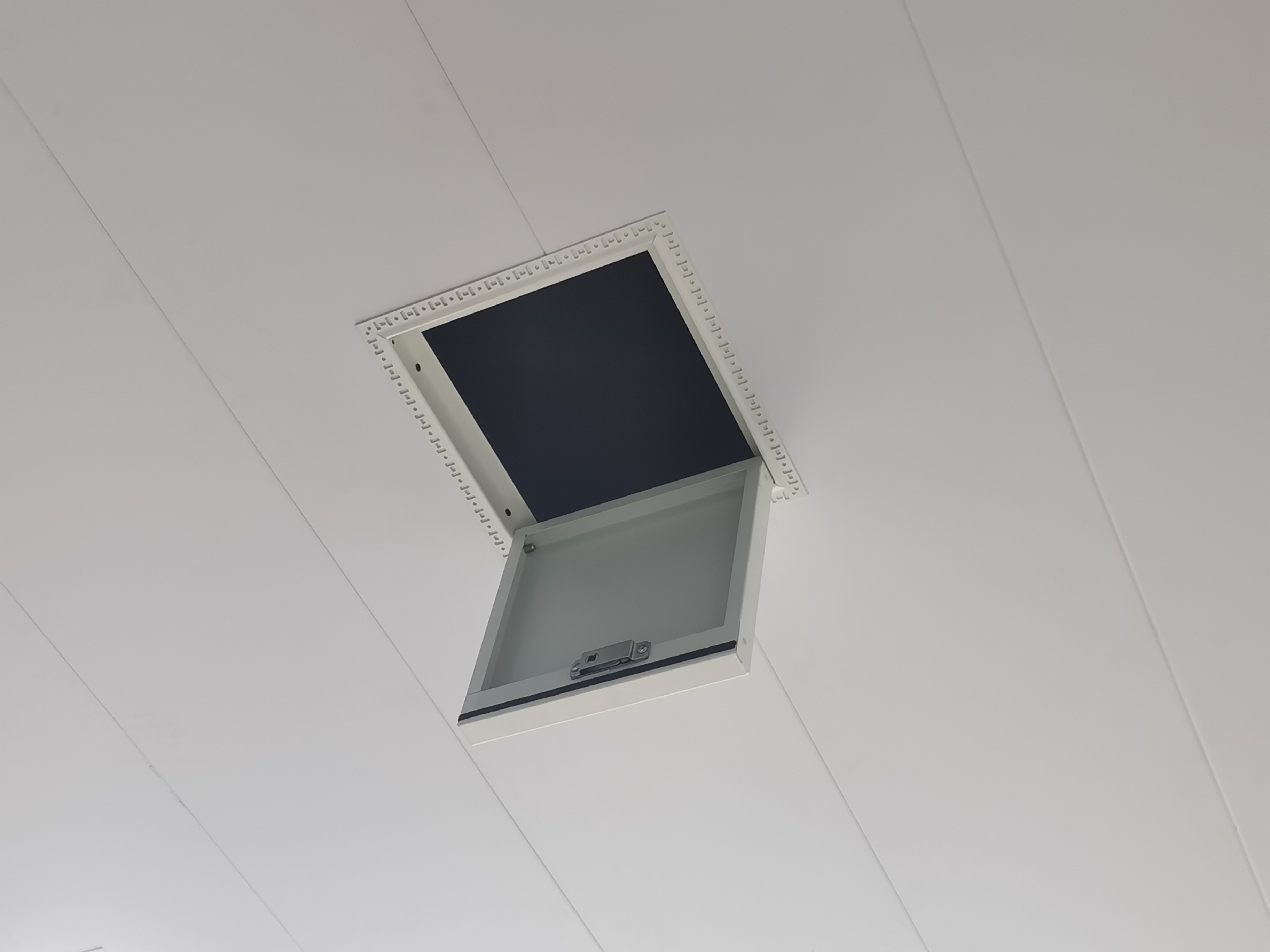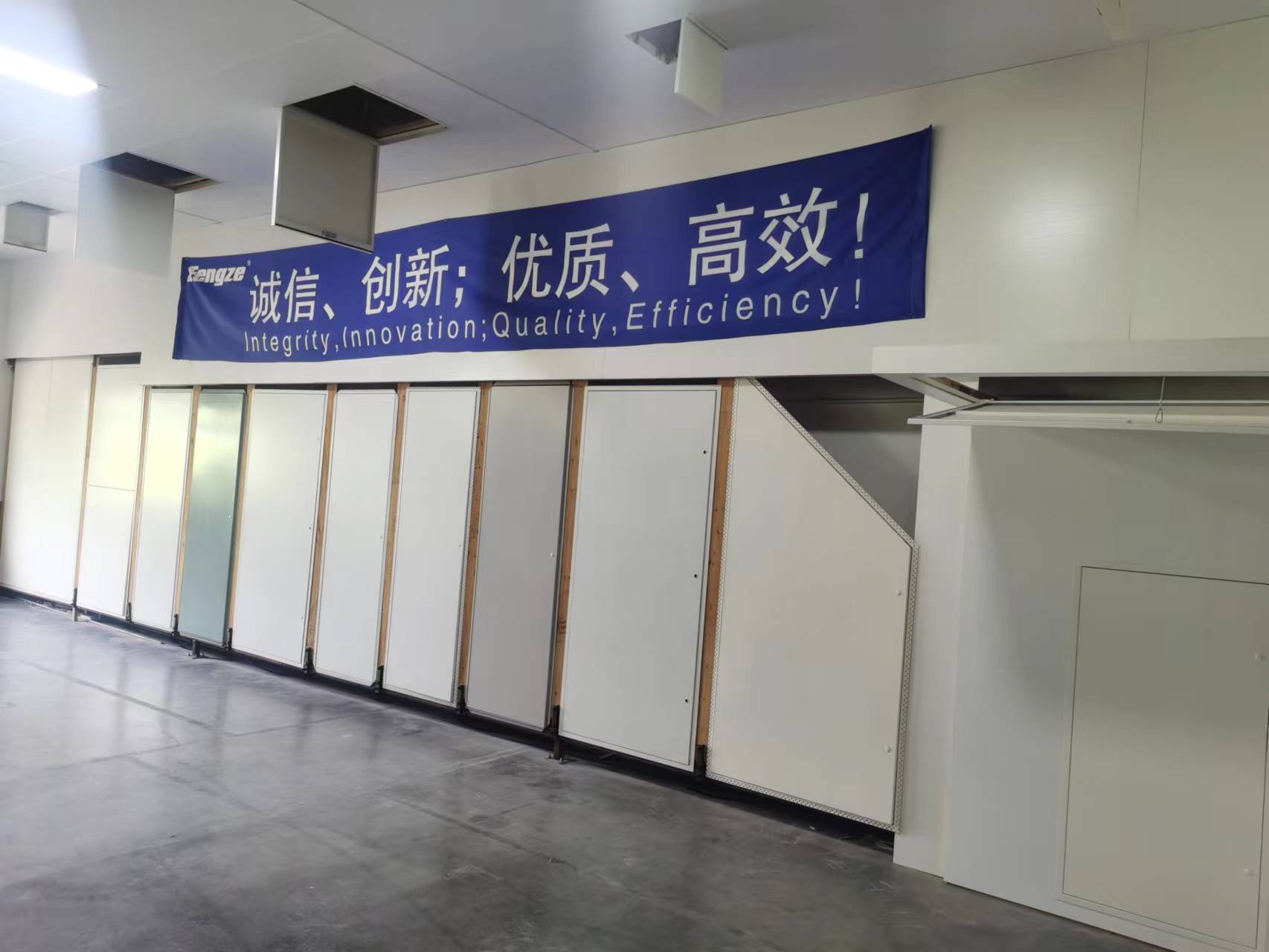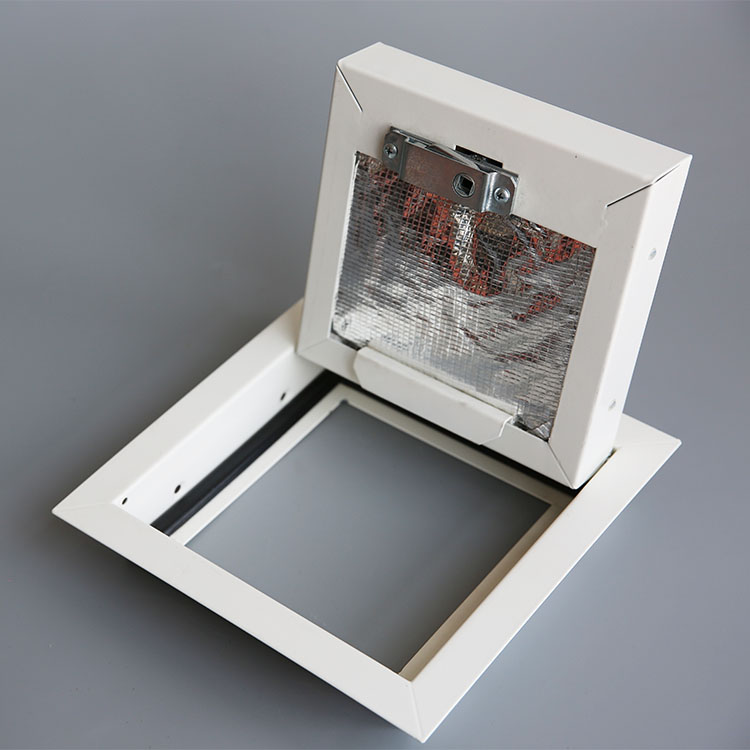

In building construction and renovation, access panels provide essential entry points to concealed utilities such as plumbing, electrical conduits, HVAC components, and junction boxes within drywall assemblies. For applications where fire rating is **not** a code requirement, a standard non-fire-ra... READ MORE
How does aluminum outperform steel in corrosive environments?Aluminum outperforms steel in corrosive environments because of its inherent corrosion resistance, lightweight nature, and ease of maintenance. Corrosion ResistanceAs long as oxygen is present, aluminum forms a protective oxide layer that ... READ MORE
Why are harsh construction environments a challenge for access panels?Harsh construction environments accelerate the aging of access panels. Consider construction sites in coastal areas, for example. These areas face salt spray, high humidity, and constant moisture exposure, accelerating corrosion. ... READ MORE
Why do seasonal delays affect door availability?Seasonal delays occur because the construction supply chain tightens significantly from December to February. Even well-planned projects can face setbacks if materials are not ordered in advance. Reduced Holiday CapacityHoliday schedules are one of the... READ MORE
What functionalities must access panels possess to ensure infrastructure performance?Infrastructure-grade access panels must incorporate some or all of the following features to meet the practical needs of public buildings in 2026: UL Fire RatingTamper ResistanceInsulationDurabilityArchitectural Aes... READ MORE
Why?Kitchens often have gas lines, water lines, and electrical systems that need to be concealed but accessible.Common Locations:Behind ovens, stoves, or refrigerators for gas or electrical connections.Under sinks for plumbing shut-off valves or garbage disposals.Inside cabinetry for concealed utili... READ MORE
Why?Bathrooms are full of plumbing and water systems, which require frequent maintenance or inspection.Common Locations:Behind bathtubs or showers for access to mixer valves or drain pipes.Near toilets for water shut-off valves or plumbing connections.Above ceilings to access bathroom ventilation fa... READ MORE
Ceilings often house ductwork, wiring, or HVAC systems, especially in multi-story homes or commercial buildings. Common Locations: Living Areas: To access recessed lighting, ceiling fans, or home automation systems. Hallways: For access to HVAC ducts or junction boxes. Commercial Spaces: Suspend... READ MORE
Why? Walls often hide electrical wiring, plumbing pipes, or control panels that may need to be accessed. Common Locations: Bathrooms: Behind sinks, toilets, or showers to access water shut-off valves or drain pipes. Kitchens: Behind appliances like dishwashers or refrigerators to access water lines ... READ MORE
People like to have access panels in their houses because they provide convenience, functionality, and aesthetic benefits. Here’s a breakdown of the reasons why access panels are popular in residential spaces: 1. Easy Access for Maintenance Quick Repairs: Access panels make it easy to reach hidden... READ MORE