Summary:Why Do Access Panels Affect Efficiency in Modern Commercial Interiors?
An access panel becomes a labor efficiency problem when it's treated as an afte......
Why Do Access Panels Affect Efficiency in Modern Commercial Interiors?
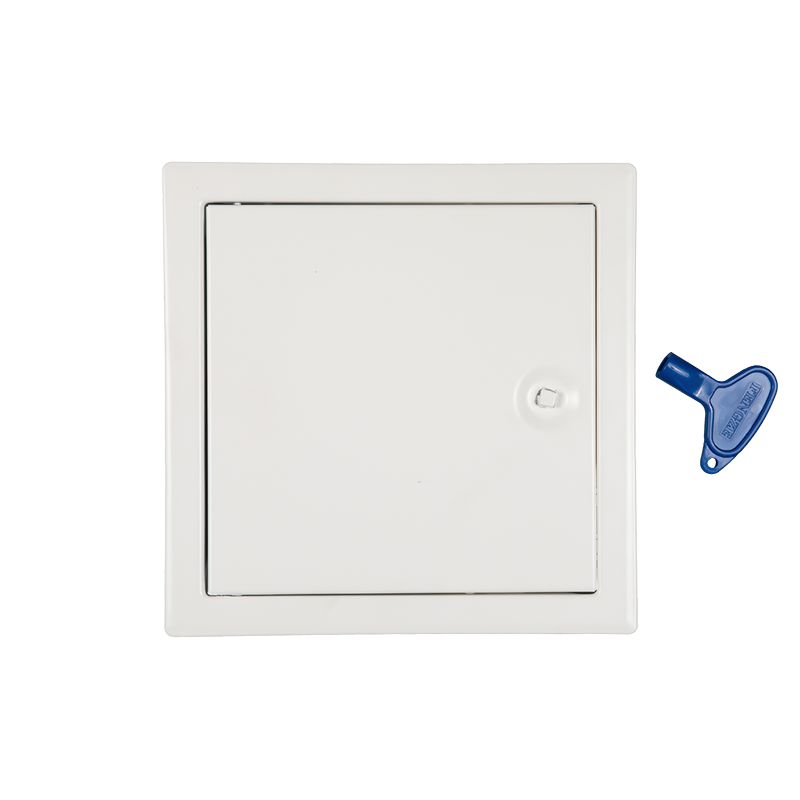
An access panel becomes a labor efficiency problem when it's treated as an afterthought instead of a coordinated scope item.
In the typical interior construction workflow, the sequence is rigid. Framing leads to MEP rough-in, followed by drywall, finishing, and finally the punch list. When access panels are selected or placed late in this cycle, it triggers a domino effect of finish damage.
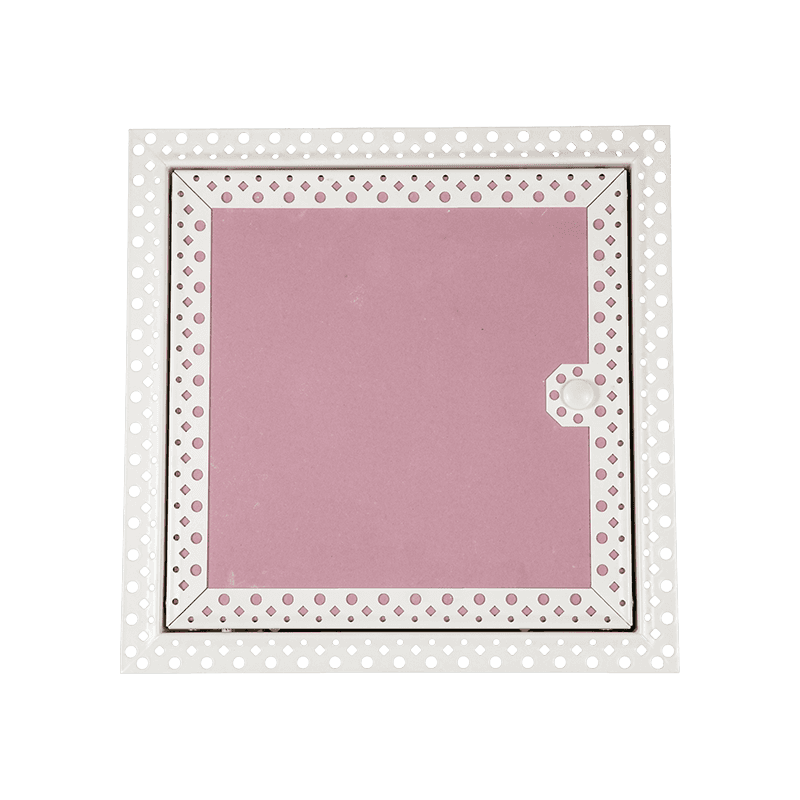
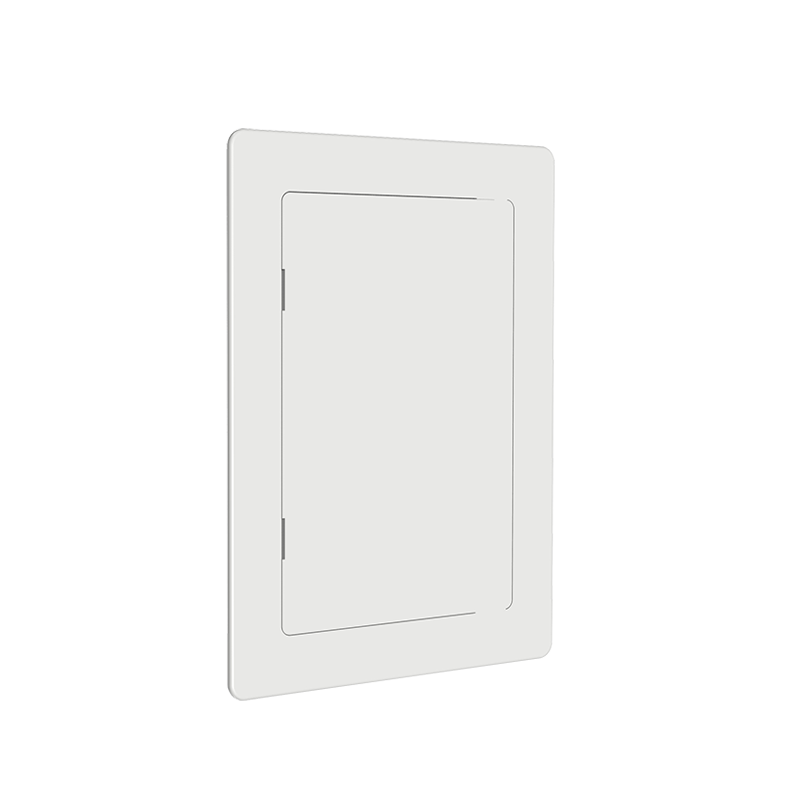
Cutting into a freshly painted wall to install a bulky, surface-mounted frame leads to extra patching and repainting. These are labor-intensive tasks that stall the commercial interior fit-outs.
Poorly managed access panel coordination is a primary driver of extra work at the end of a project. Because these panels touch multiple trades—electrical for the components behind them, drywall for the mounting, and paint for the finish—they represent a significant coordination risk.
If the panel doesn't sit flush or requires specialized trim, it often results in unhappy clients during walkthroughs and a longer punch list that eats into the contractor's margin.


 English
 简体中文
简体中文