Summary:Proper installation ensures access panels function correctly and maintain the finish appearance. This guide covers basic steps for installing plaster-......
Proper installation ensures access panels function correctly and maintain the finish appearance. This guide covers basic steps for installing plaster-in (recessed) and surface-mounted panels commonly used around the building.
Plaster-in (flush) access panels — overview
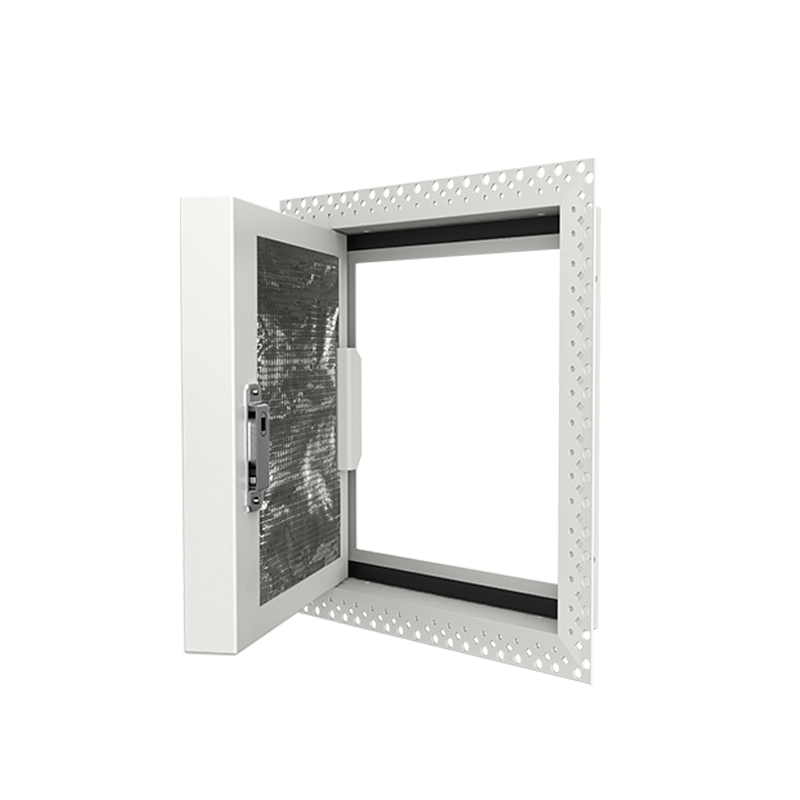
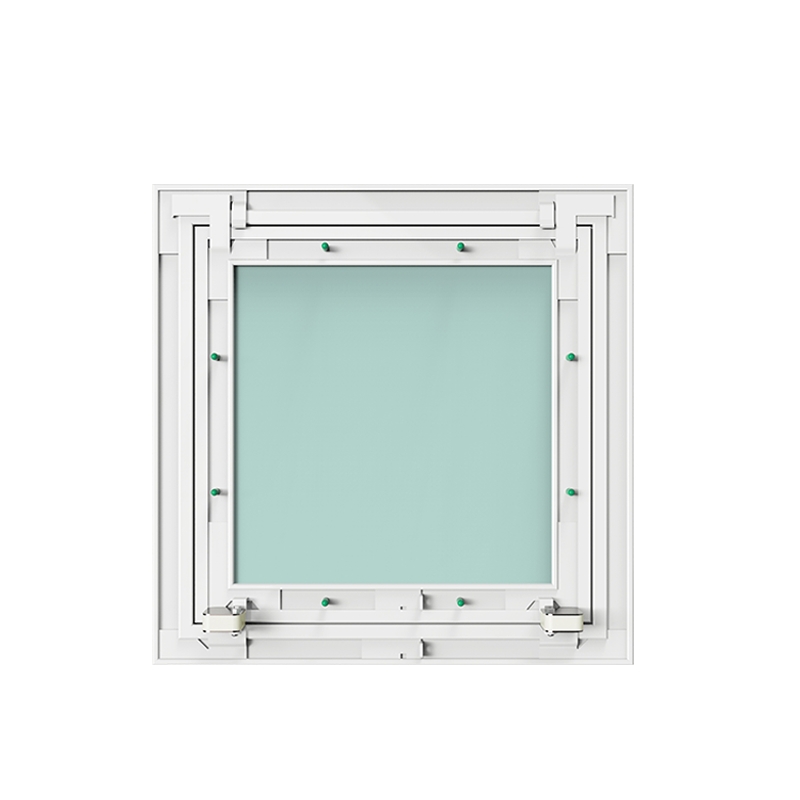
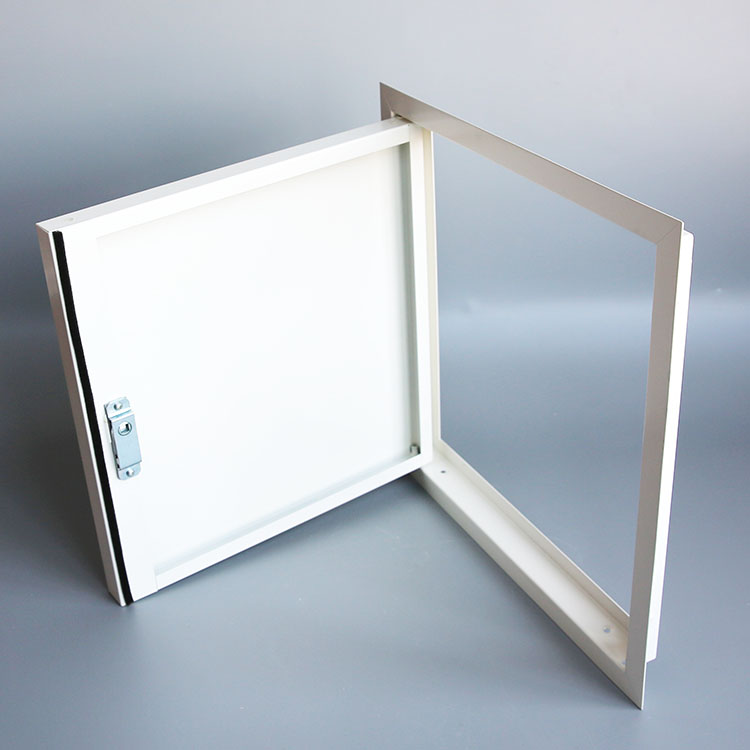
Plaster-in panels are recessed into the wall or ceiling so the face sits flush with the finished surface. They’re ideal for aesthetics because they can be painted to match the surroundings.
Installation steps (plaster-in)
- Verify opening size: Follow manufacturer’s rough-opening dimensions and check for obstructions behind the wall.
- Frame the opening: Use studs or blocking to create a solid support frame.
- Set the panel frame: Insert the frame into the opening and secure using screws through the flange into the framing.
- Apply drywall/plaster: Build the finish up to the panel flange. For plaster-in models, a mud-in flange is often provided to accept joint compound.
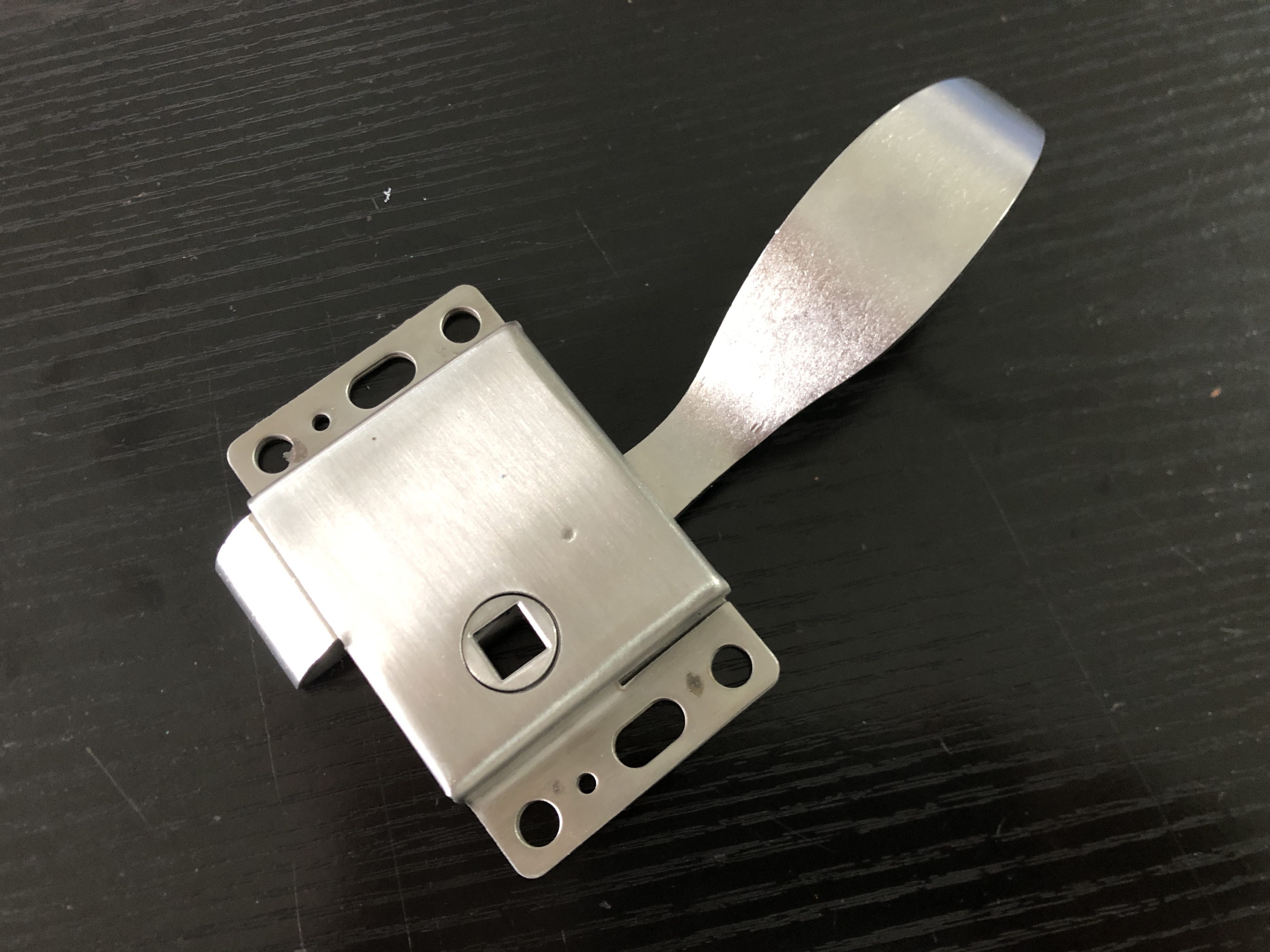
- Finish and paint: Sand and paint the panel face to match the wall. Ensure the latch remains accessible and operational.
Surface-mounted panels — overview
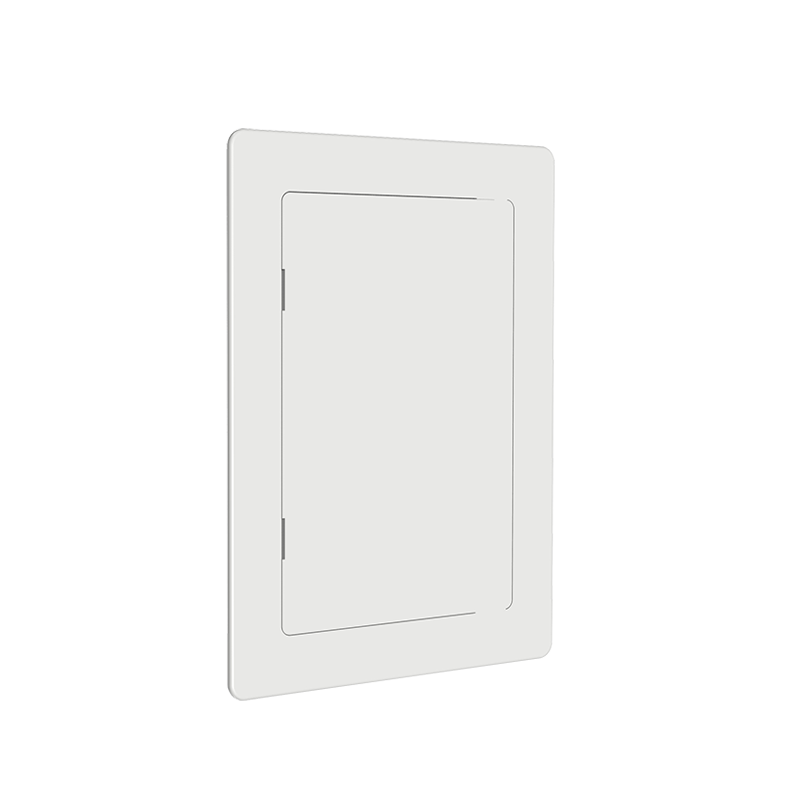
Surface-mounted panels attach to the finished surface and are faster to install, making them popular for retrofit projects.
Installation steps (surface-mounted)
- Mark and cut opening: Cut the opening per the manufacturer’s template.
- Fit the frame: Place the frame over the opening and fasten to the finished surface using appropriate anchors for the substrate.
- Secure and seal: Tighten fasteners, check the panel’s operation, and apply sealant if required for dust or moisture protection.
- Final adjustments: Ensure door alignment and latch operation.
General suitable practices
- Always follow the manufacturer’s instructions and the listed assembly for rated panels.
- Use corrosion-resistant fasteners in humid or exterior environments.
- For fire-rated panels, follow firestop requirements and maintain assembly continuity.
- Test access and latch operation before final finish work.


 English
 简体中文
简体中文