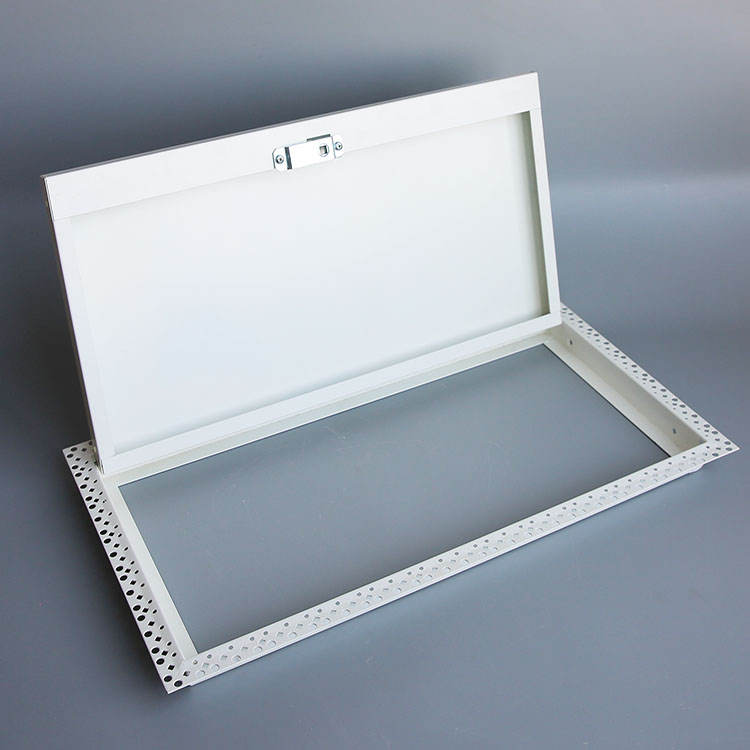
Positive-Locking Mechanism: Functions and Applications
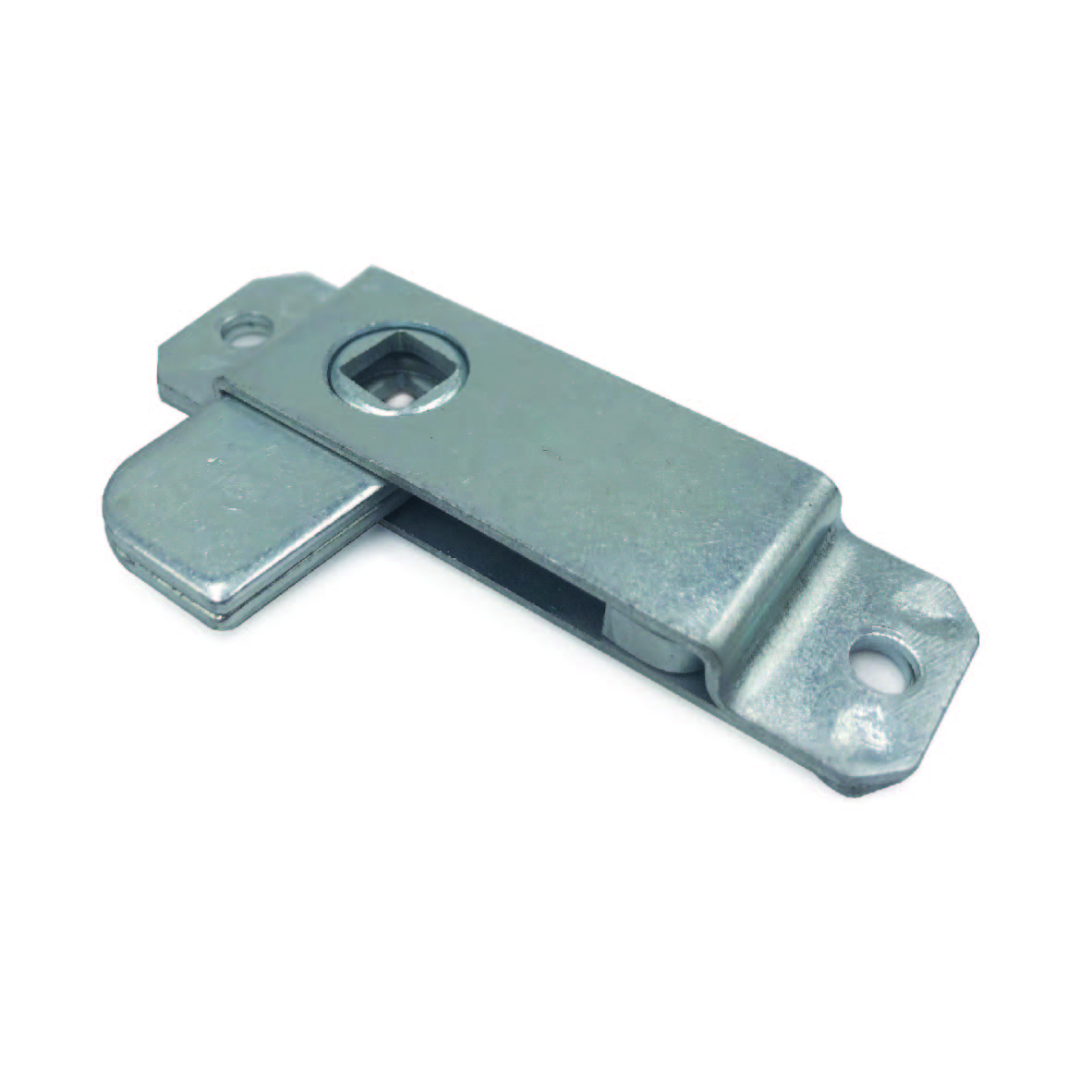
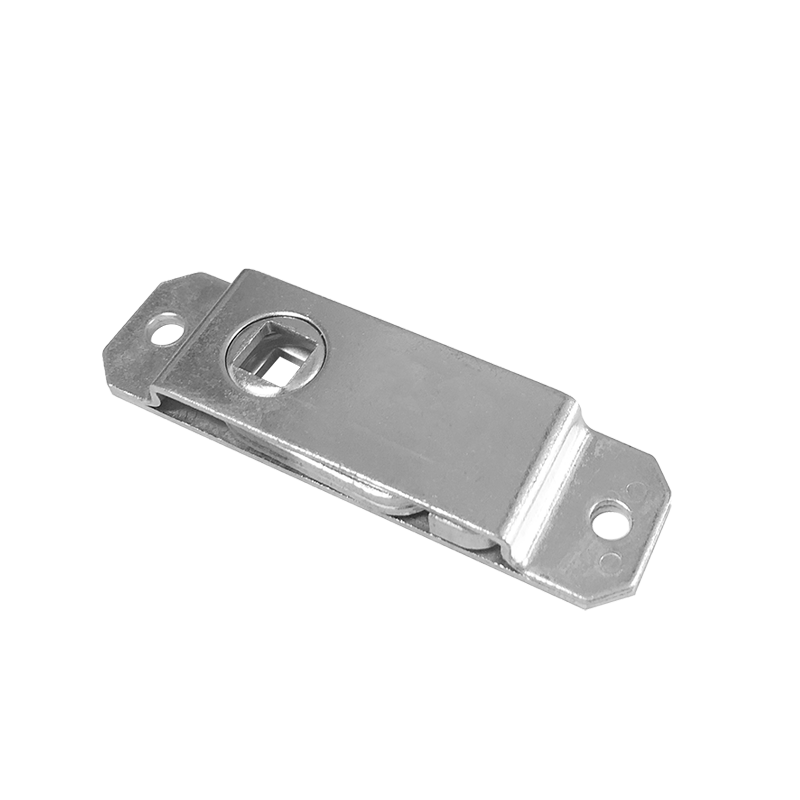
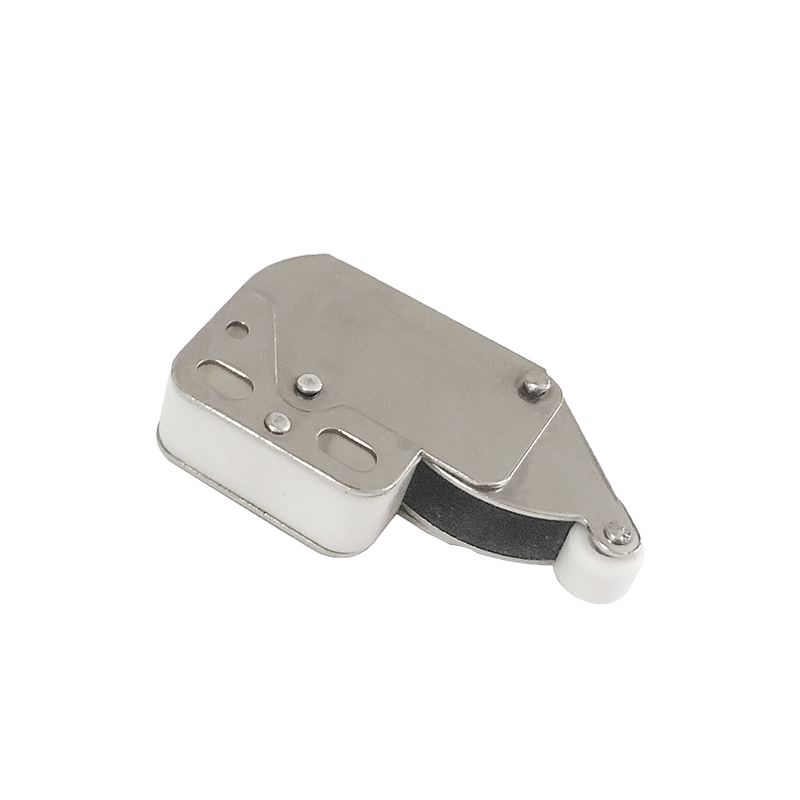
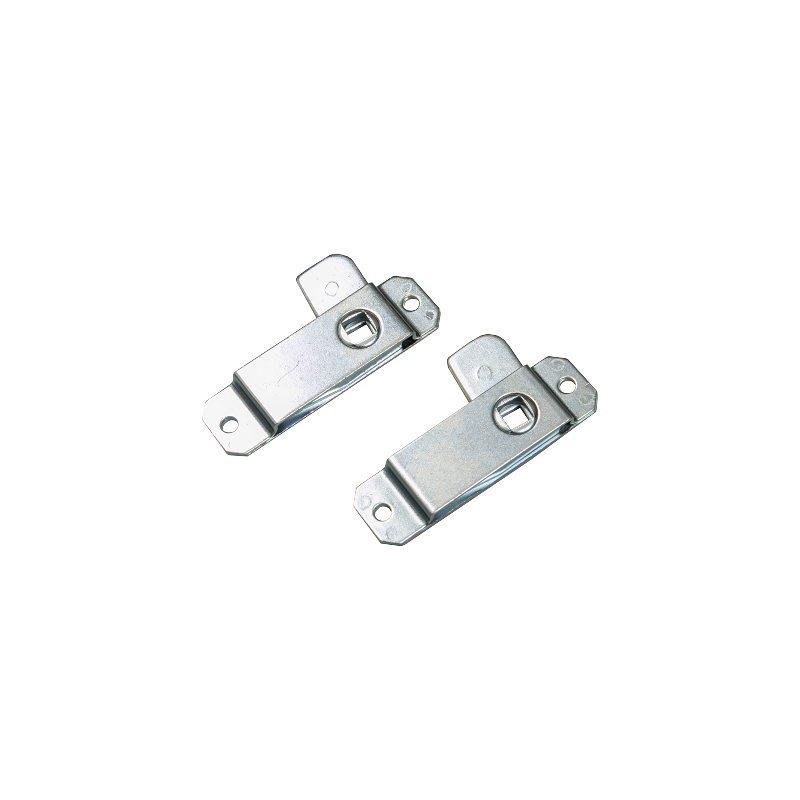
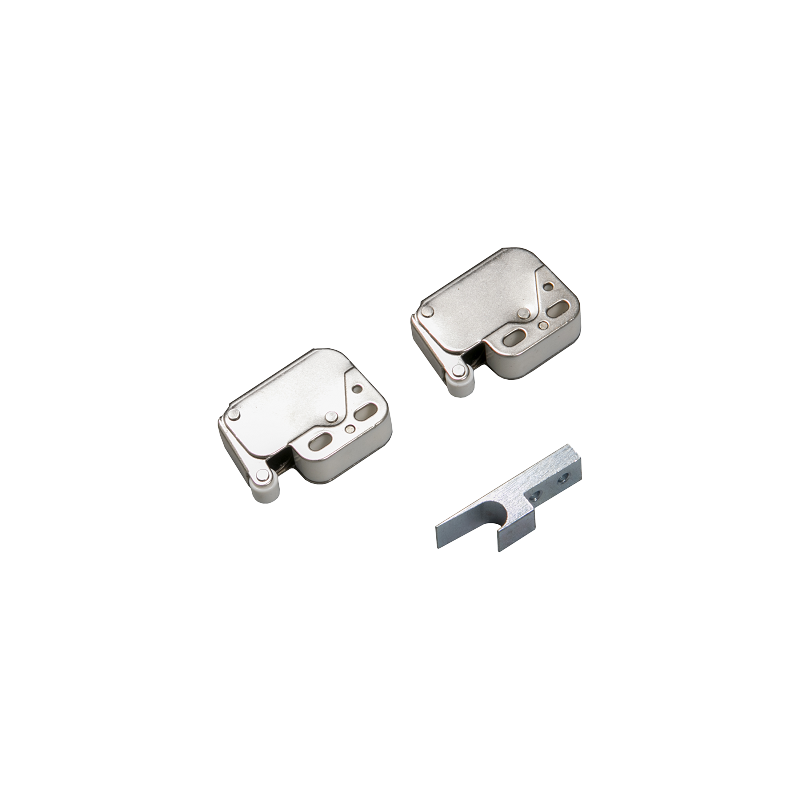
A positive-locking mechanism (also known as a positive lock or positive-action lock) is a security fastening system designed to keep access panels, doors, and covers firmly secured until deliberately released by an authorized user. Unlike simple push-to-close latches, a positive lock requires an intentional unlocking action—such as turning a key, pressing a release button, or operating a screwdriver slot—to open, preventing accidental or unauthorized access.
The mechanism typically incorporates a cam-action or spring-loaded bolt that engages a strike plate or frame lip upon closing, creating a firm, rattle-free connection that resists vibration, pressure differentials, and incidental contact. This ensures that access panels installed in high-traffic areas, ventilation shafts, or equipment enclosures remain securely closed under normal operating conditions.
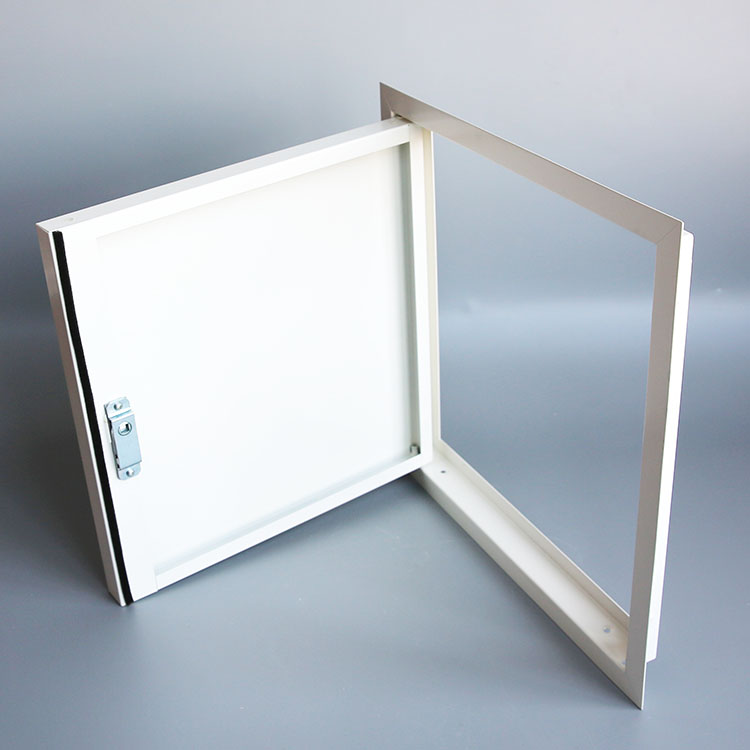
Positive-locking mechanisms are widely used in access panels for electrical switchgear rooms, mechanical plant areas, cleanrooms, and any environment where controlled access is essential for safety or regulatory compliance. Their reliable, repeatable operation reduces the risk of unauthorized entry while facilitating efficient maintenance by qualified personnel.
E-mail : [email protected]


 English
 简体中文
简体中文