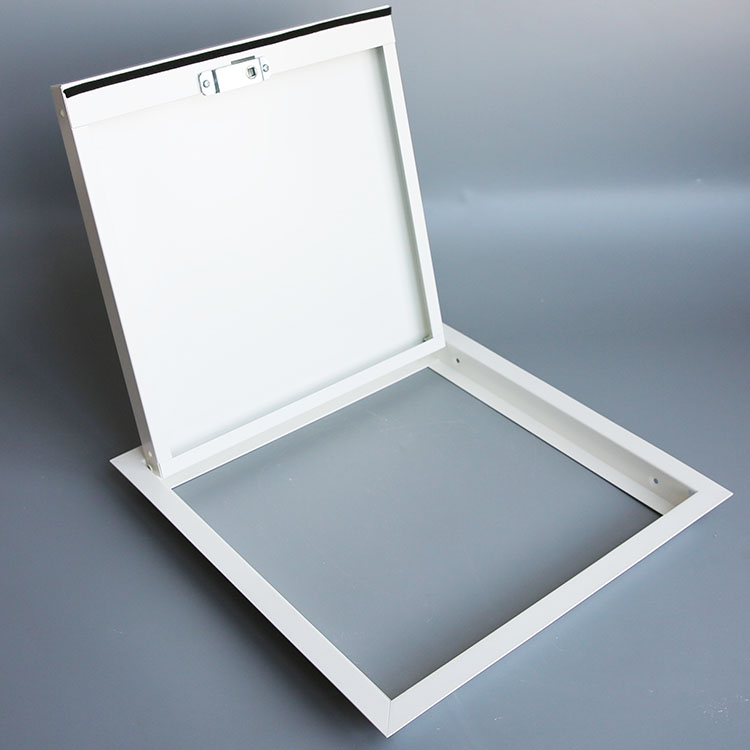

1. What fire-resistance ratings are required for access panels in commercial buildings?Fire-rated access panels must possess a fire-resistance rating equal to that of the surrounding wall or ceiling assembly in which they are installed. Common ratings include 1-hour, 1.5-hour, and 2-hour, determined... READ MORE
Access panels aren’t just for utility access—they can also help improve your building’s energy efficiency. Here’s how: Insulated Access Panels Our insulated access panels prevent heat loss and reduce energy consumption, making them ideal for attics, HVAC systems, and exterior walls. Seal Out Drafts ... READ MORE
Main characteristics of galvanized sheet: Corrosion resistance, painting property, formability and spot welding property. It is widely used, mainly for small household appliances that need good appearance, but it is more expensive than SECC, so many manufacturers switch to SECC to save costs. Divid... READ MORE
Inspection requirements for plastic spraying products Check whether the types and colors of spraying are consistent with the requirements of drawings and the color plates confirmed by customers, our company and suppliers. inspection shall be carried out on the appearance of the sprayed surface of... READ MORE
The basis for judging the fire resistance of ABS material mainly includes the following points: The fire resistance of ABS material itself depends on its specific formula and processing technology; 2. Ordinary ABS materials usually don't have fire resistance; 3. The fire rating can be effectivel... READ MORE
First, the brand is a tool for consumers to remember goods. As an important tool for consumers to remember goods, brands form satisfaction and trust through the use of brand products, and then store them in memory to provide basis for future consumption decisions. Second, the brand is a sharp we... READ MORE
Why?Kitchens often have gas lines, water lines, and electrical systems that need to be concealed but accessible.Common Locations:Behind ovens, stoves, or refrigerators for gas or electrical connections.Under sinks for plumbing shut-off valves or garbage disposals.Inside cabinetry for concealed utili... READ MORE
Why?Bathrooms are full of plumbing and water systems, which require frequent maintenance or inspection.Common Locations:Behind bathtubs or showers for access to mixer valves or drain pipes.Near toilets for water shut-off valves or plumbing connections.Above ceilings to access bathroom ventilation fa... READ MORE
Ceilings often house ductwork, wiring, or HVAC systems, especially in multi-story homes or commercial buildings. Common Locations: Living Areas: To access recessed lighting, ceiling fans, or home automation systems. Hallways: For access to HVAC ducts or junction boxes. Commercial Spaces: Suspend... READ MORE
Why? Walls often hide electrical wiring, plumbing pipes, or control panels that may need to be accessed. Common Locations: Bathrooms: Behind sinks, toilets, or showers to access water shut-off valves or drain pipes. Kitchens: Behind appliances like dishwashers or refrigerators to access water lines ... READ MORE