Summary:What functionalities must access panels possess to ensure infrastructure performance?Infrastructure-grade access panels must incorporate some or all o......
What functionalities must access panels possess to ensure infrastructure performance?
Infrastructure-grade access panels must incorporate some or all of the following features to meet the practical needs of public buildings in 2026:
UL Fire Rating
Tamper Resistance
Insulation
Durability
Architectural Aesthetics
These environments demand more than just basic accessibility. They require systems that comply with fire codes, maintain energy performance, withstand years of heavy use, and seamlessly integrate into municipal interiors.
Fire Rating
Panels must align with UL-certified components and meet ASTM/NFPA standards.
In hospitals, schools, and transportation hubs, fire-rated barriers protect exit routes and critical building systems. Access panels should match these barriers. Untested panels compromise these components and can to inspection failures.
For contractors and procurement teams, verifying documentation is always crucial before ordering fire-rated panels for public buildings.
Tamper Resistance
Public spaces are susceptible to tampering, vandalism, and misuse. Tamper-resistant construction, reinforced doors, and secure latches prevent unauthorized access. Secure panels are especially necessary for electrical rooms, mechanical shafts, or life safety systems.
Durability
This is non-negotiable for infrastructure projects. Access panels in these buildings are frequently subjected to wear and tear.
Consider the frequency with which service personnel open these access panels, the traffic of equipment in corridors, and public transit in airports and transportation hubs.
Heavy-duty frames and robust finishes are essential to prevent deformation and corrosion.
Energy Efficiency
Airtight and insulated designs limit heat loss from outdoor or semi-conditioned spaces. These help buildings meet energy efficiency codes and sustainability goals. For large projects, this also translates to significant savings on utility bills.
Aesthetic Integration
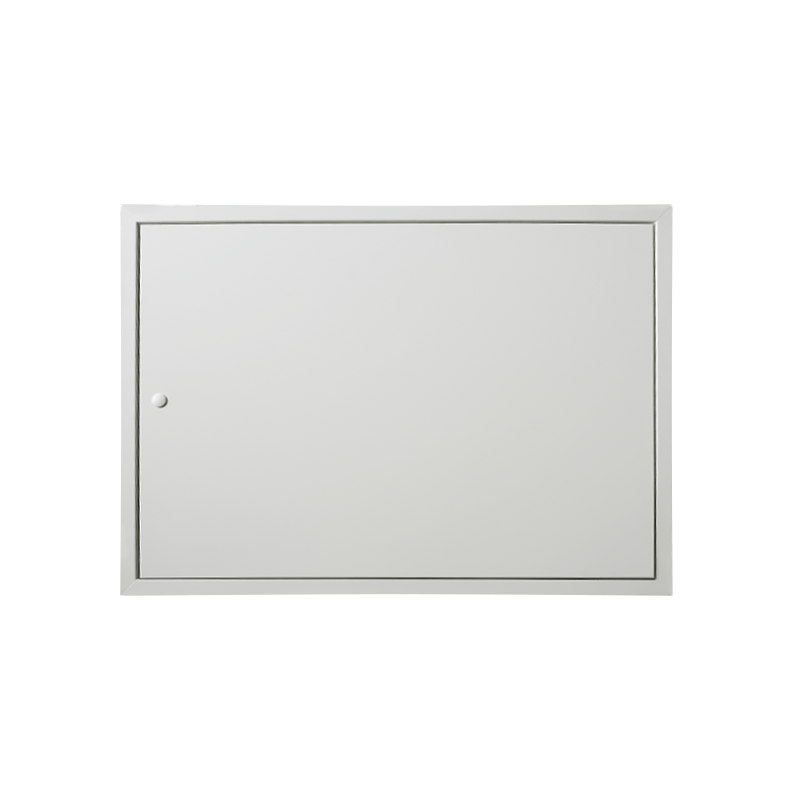
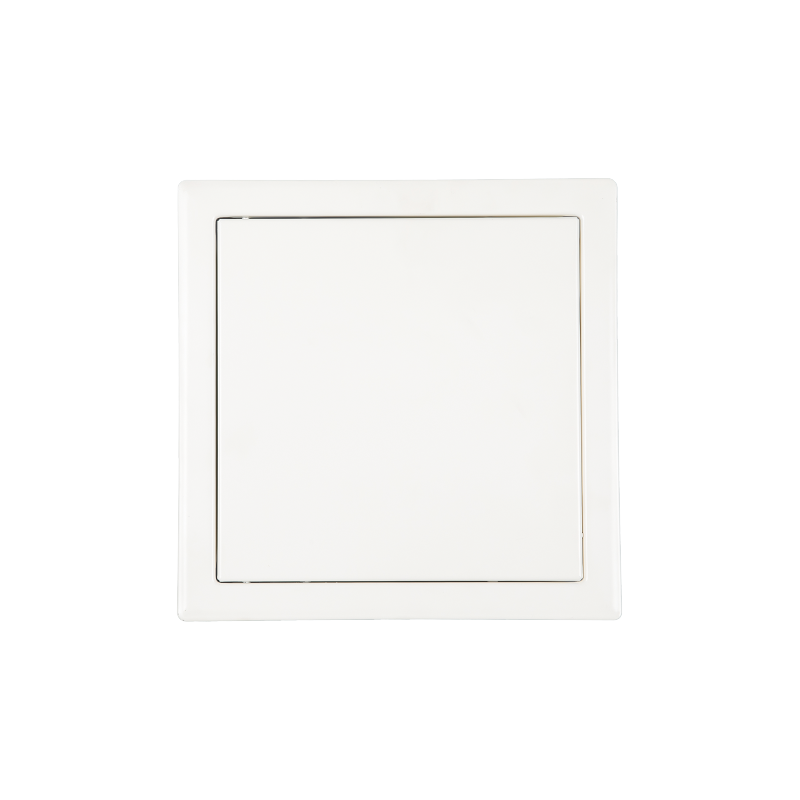
As municipalities modernize their aesthetics, panels must conform to their style.
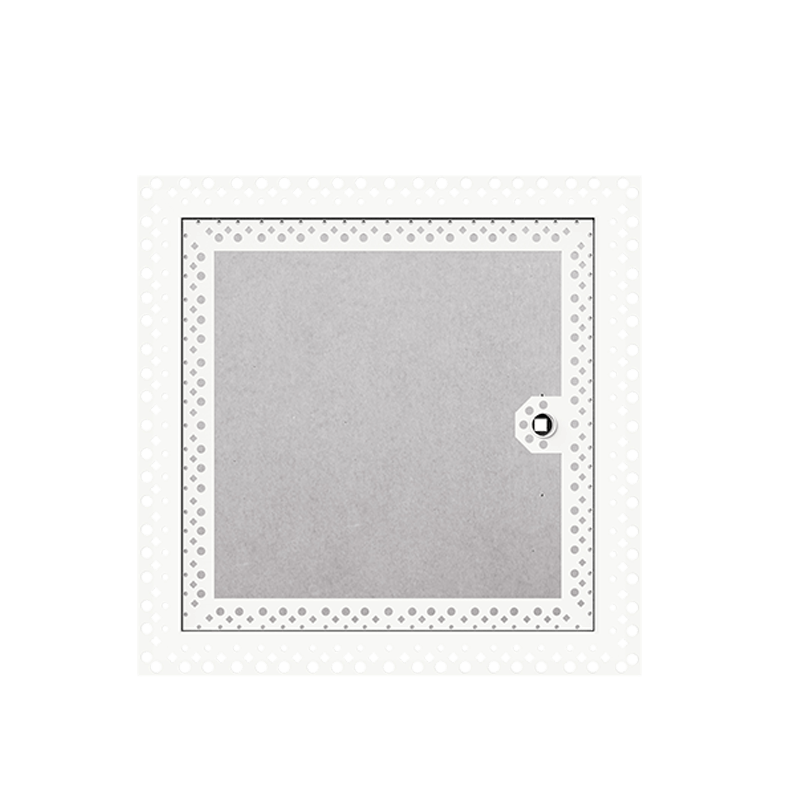
Clean lines, plaster flanges, concealed hinges, and smooth finishes help them blend into government offices, hospital corridors, court interiors, and academic environments. This ensures that access points remain functional without creating visual clutter.


 English
 简体中文
简体中文