Summary:
In building construction and renovation, access panels provide essential entry points to concealed utilities such as plumbing, electrical conduits, H......
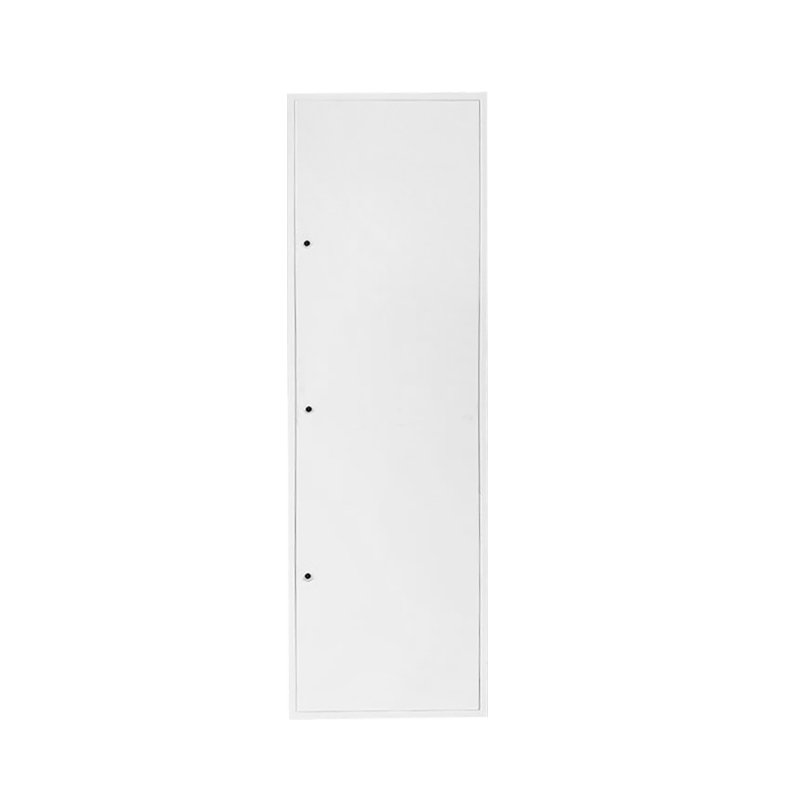
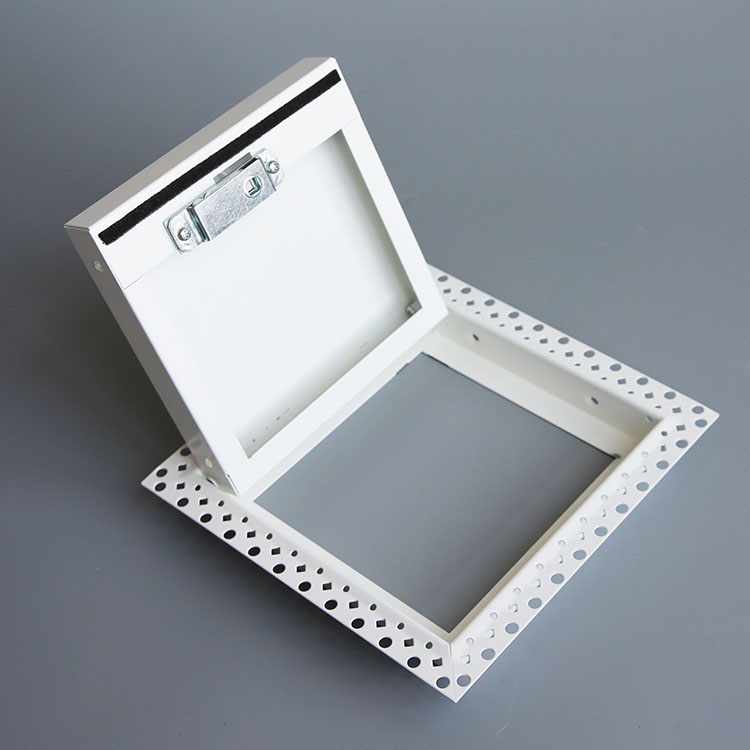
In building construction and renovation, access panels provide essential entry points to concealed utilities such as plumbing, electrical conduits, HVAC components, and junction boxes within drywall assemblies. For applications where fire rating is **not** a code requirement, a standard non-fire-rated drywall access panel offers a cost-effective, functional, and aesthetically pleasing solution.
**Primary Applications:**
* Residential buildings (homes, apartments)
* Commercial offices and retail spaces (in non-rated partition walls)
* Concealing shut-off valves, drain cleanouts, and electrical panels
* Providing access to piping, insulation, or low-voltage wiring in ceilings and walls
* Areas not part of mandated fire separations, smoke barriers, or rated corridors
**Key Advantages of Quality Non-Fire-Rated Panels:**
1. **Seamless Integration:** The panels feature a flanged design with screw holes for secure, flush mounting into the drywall. They can be finished with joint compound and paint to match the surrounding wall or ceiling, creating a virtually invisible access point when properly installed.
2. **Durable Construction:** Typically manufactured from pre-galvanized steel, aluminum, or durable PVC, these panels resist corrosion, dents, and warping. A sturdy, hinged or removable door ensures long-term reliability through repeated open-close cycles.
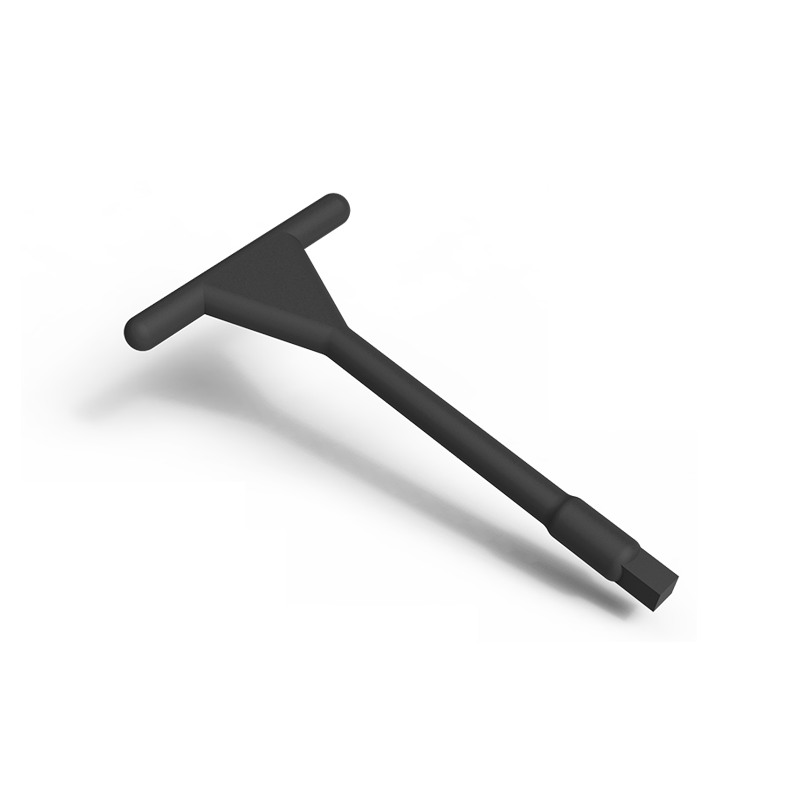
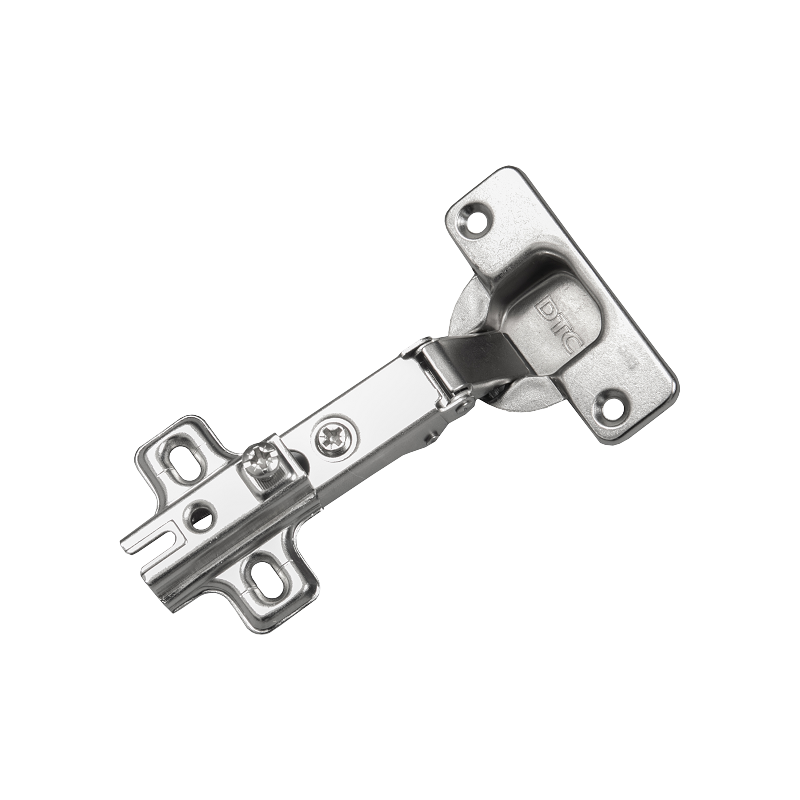
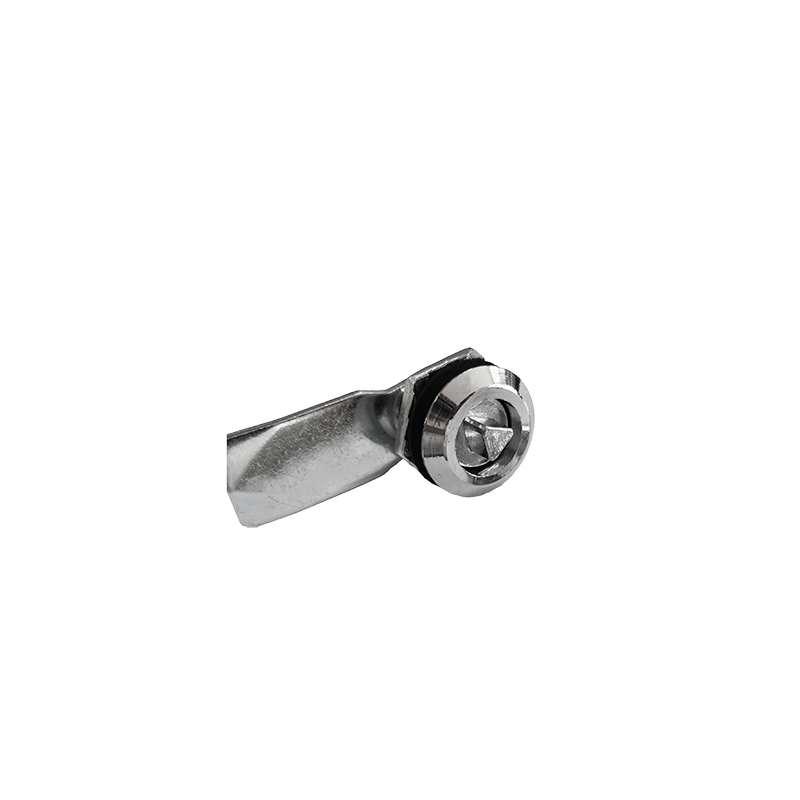
3. **Ease of Installation & Access:** Designed for simplicity, panels require only basic cutting and fastening tools. Doors often include tool-less opening mechanisms such as push-latch springs, discreet keyholes, or captive screws for quick and easy maintenance access without special tools.
4. **Variety of Sizes and Finishes:** Available in a wide range of standard sizes (e.g., 12"x12", 16"x16", 24"x24") to accommodate access needs. Finishes include prime-coated white, textured, or paintable surfaces to suit various environments.
5. **Cost-Effectiveness:** By omitting the intumescent materials and rigorous testing required for fire-rated assemblies, non-fire-rated panels provide significant savings while fully meeting functional needs in non-critical areas.
**Important Considerations & Limitations:**
* **Code Compliance:** It is **crucial** to verify local building codes and project specifications. **Never** substitute a non-fire-rated panel in a wall or ceiling assembly that is designed or required to have a fire-resistance rating (e.g., separation between units, garage/house partitions, certain mechanical rooms).
* **Environment:** Not suitable for high-moisture areas unless specifically rated for such conditions (e.g., bathrooms, kitchens). For wet areas, consider plastic or stainless steel models.
* **Security:** Basic spring-latch models offer minimal security. For restricted access, select panels with key-locking mechanisms.
**Recommended Selection Criteria:**
* **Material:** Galvanized steel offers the balance of strength and value for interior use. Aluminum is lightweight and corrosion-resistant.
* **Frame Design:** Look for a rigid, multi-point attachment frame for stability. A recessed door allows for smooth finishing.
* **Opening Mechanism:** Match the mechanism to the frequency of access and security needs (push-latch for convenience, key-lock for control).
* **Size:** Choose a panel that provides adequate working space for the targeted equipment, allowing for hand and tool manipulation.
**Conclusion:**
For routine service access in non-rated drywall assemblies, a well-constructed non-fire-rated access panel is the practical and economical choice. It ensures maintainability of building systems without compromising on aesthetics. Always prioritize correct application by confirming the fire-rating requirements of the wall or ceiling in which it will be installed. Invest in a panel from a reputable manufacturer known for precise dimensions and robust hardware to ensure a clean, durable, and functional installation.


 English
 简体中文
简体中文